
Floors are one of the most used surfaces in any home, but the signs of wear are not always easy to interpret.
Hardwood that once had a rich, natural luster may begin to look dull, worn, or faded over time. Carpet can develop ripples, visible seams, or staining that no longer responds to cleaning. These changes are not just cosmetic. They can be early indicators of wear that may require more than routine maintenance.
Every flooring material responds differently to daily use. Foot traffic, sunlight, moisture, and the way a space is lived in all contribute to how a floor ages. Recognizing these patterns can help you determine whether a simple repair will extend the life of your floors or if a more involved solution is needed.
At Carlson’s Floors, our goal is to help homeowners better understand how their flooring performs over time so they can make informed decisions about care, repair, and replacement. In our “Be Your Own Expert” series, we take a closer look at different flooring types and what to watch for as they begin to show signs of wear.
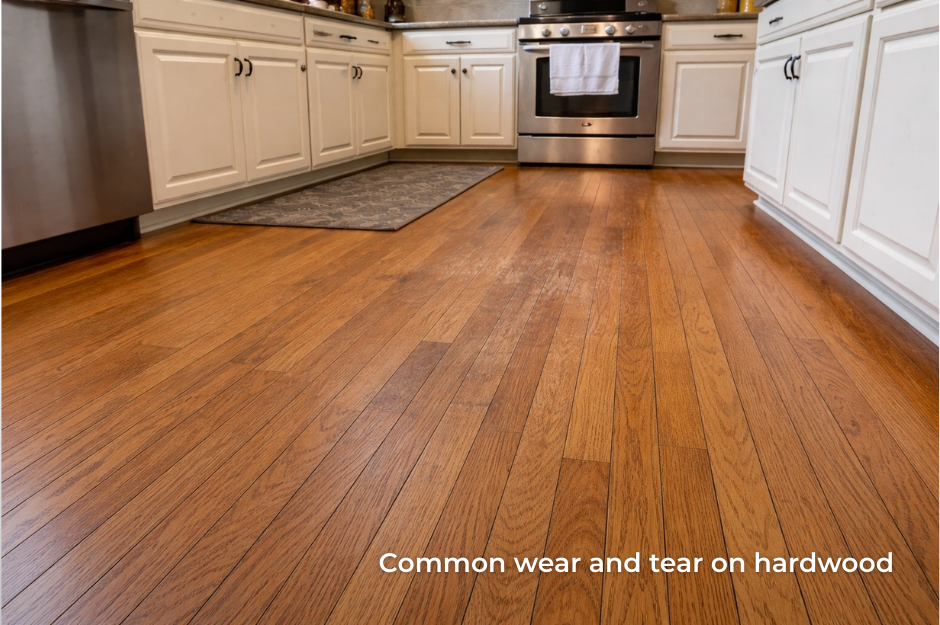
When it comes to hardwood floors, there are several clear signs that it may be time for renewal. In many cases, however, renewal does not mean full replacement. Hardwood is unique in that it can often be refinished, extending its life while restoring its original beauty.
Over time, foot traffic and routine cleaning can wear down the protective finish. As this happens, floors may begin to look dull, worn, or faded over time. Carpet can develop ripples, visible seams, or staining that no longer responds to cleaning. These changes are not just cosmetic. They can be early indicators of wear that may require more than routine maintenance.
Exposure to moisture can cause hardwood to expand, swell, change color, or lift. You may also notice cupping or warping, which can indicate that water has penetrated below the surface.
If your floors have experienced water exposure in the past, there is a risk of mold developing beneath or within the wood. Persistent musty odors are often a sign of a deeper issue. In these cases, removing affected flooring, and sometimes even subflooring, may be necessary to protect the health of your home.
Gaps between boards and persistent squeaking can point to movement within the flooring or subfloor. While minor issues can sometimes be addressed with repair, more significant movement may require a closer evaluation.
In some cases, the concern is not structural but visual. Older stain colors, narrow plank formats, or dated finishes may no longer align with your home’s overall design or your personal style.
Refinishing involves sanding the surface of the floor to remove the existing stain and finish, followed by the application of a new stain and two to three protective finish coats. This process restores the natural beauty of the wood while providing a renewed layer of protection against everyday wear.
Most solid hardwood floors can be refinished multiple times throughout their lifespan, making it a practical option when the structure of the floor remains intact.
Refinishing may be appropriate when:
• Damage is present, but the floor is structurally sound
Scratches, minor staining, and dull areas can often be corrected through refinishing as long as the boards themselves are still sound.
• The finish has worn away
If your floors absorb moisture quickly or no longer repel spills, it is often a sign that the protective finish has diminished.
• Loss of luster
If floors appear consistently dull and no longer respond to cleaning or polishing, a new finish can restore depth, color, and overall appearance.
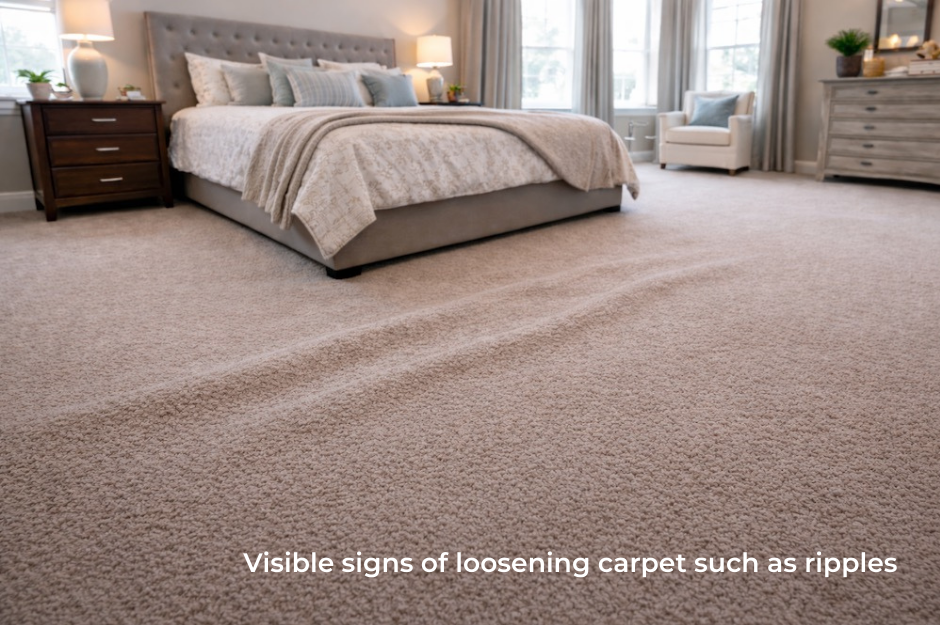
Carpet is a classic flooring choice and continues to offer the warmth and comfort many homeowners value. Over time, however, that comfort can diminish as the material begins to show signs of wear.
Carpet may begin to lift or ripple due to moisture, aging padding, or adhesive breakdown. As padding wears down, especially in high traffic areas, it can no longer properly support the carpet above it, leading to visible bubbles or uneven surfaces.
Sometimes the concern is simply visual. Changes in color, texture, or pattern may no longer reflect your home’s design or your personal style.
Everyday life brings its share of spills and accidents. While many stains can be professionally treated, some result in lasting discoloration, lingering odors, or changes in texture. When staining becomes permanent, replacement is often the most effective solution.
As carpet ages, it naturally begins to show signs of use. Common indicators include:
• Flattened or matted fibers
• Visible traffic paths
• Snags or pulls
• Areas that no longer recover after vacuuming
Over time, older carpet may also retain dust, allergens, and debris that regular cleaning cannot fully remove.
Moisture can have a significant impact on carpet and the materials beneath it. Signs of water damage may include discoloration, musty odors, damp or spongy areas, visible wrinkling or buckling, or deterioration of the padding. In some cases, mold may develop below the surface, making replacement necessary.
Understanding how carpet responds to daily use, moisture, and time can help you evaluate when maintenance is sufficient and when replacement becomes the more practical long-term solution.
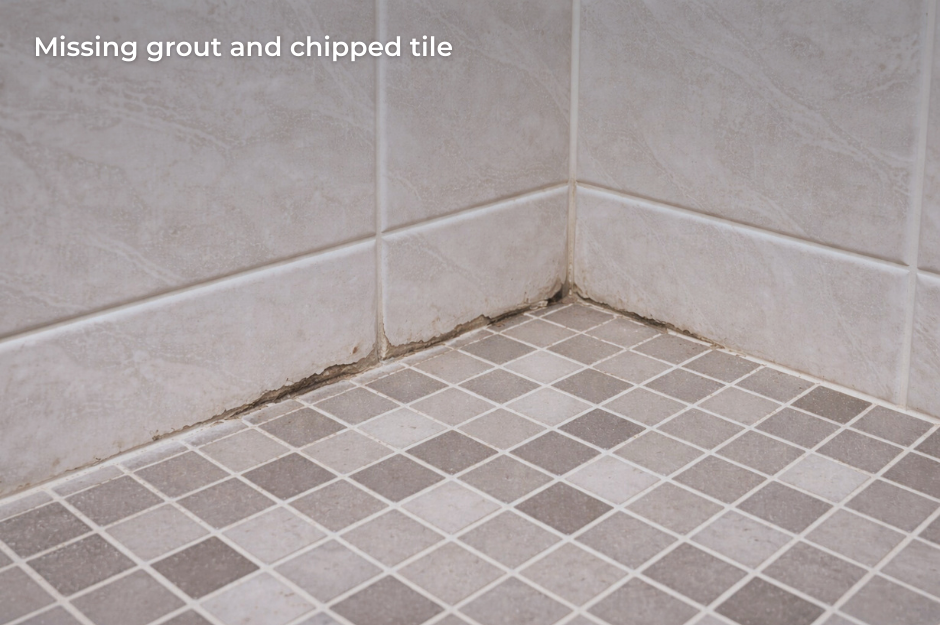
Tile flooring is known for its durability and design versatility. Even so, over time it can begin to show signs of wear or underlying issues that may require attention.
Cracked or chipped tiles can impact both the appearance and safety of a space. In some cases, individual tiles can be replaced, but this often depends on the age of the installation and whether matching materials are still available.
While tile itself is often resistant to staining, grout is more porous and can darken or discolor over time. This is especially common in high moisture or high traffic areas. When grout no longer responds to cleaning or sealing, it may be a sign that the installation is beginning to show its age.
Tile is frequently used in areas exposed to water, which makes proper installation and sealing critical. If moisture becomes trapped beneath the surface, it can lead to mold growth. Signs may include persistent discoloration, musty odors, or recurring buildup in grout lines. Ongoing moisture issues should be evaluated to prevent further damage.
If tiles begin to feel loose or sound hollow when walked on, it may indicate a breakdown in the adhesive or movement in the subfloor. This can compromise the integrity of the installation and may require more than a simple repair.
As with other flooring types, tile styles evolve over time. Older formats, colors, or layouts may no longer align with your home’s overall design, even if the material itself is still functional.
Understanding how tile and grout respond to moisture, movement, and daily use can help you determine when maintenance or repair is sufficient and when a more comprehensive update may be the better long-term solution.
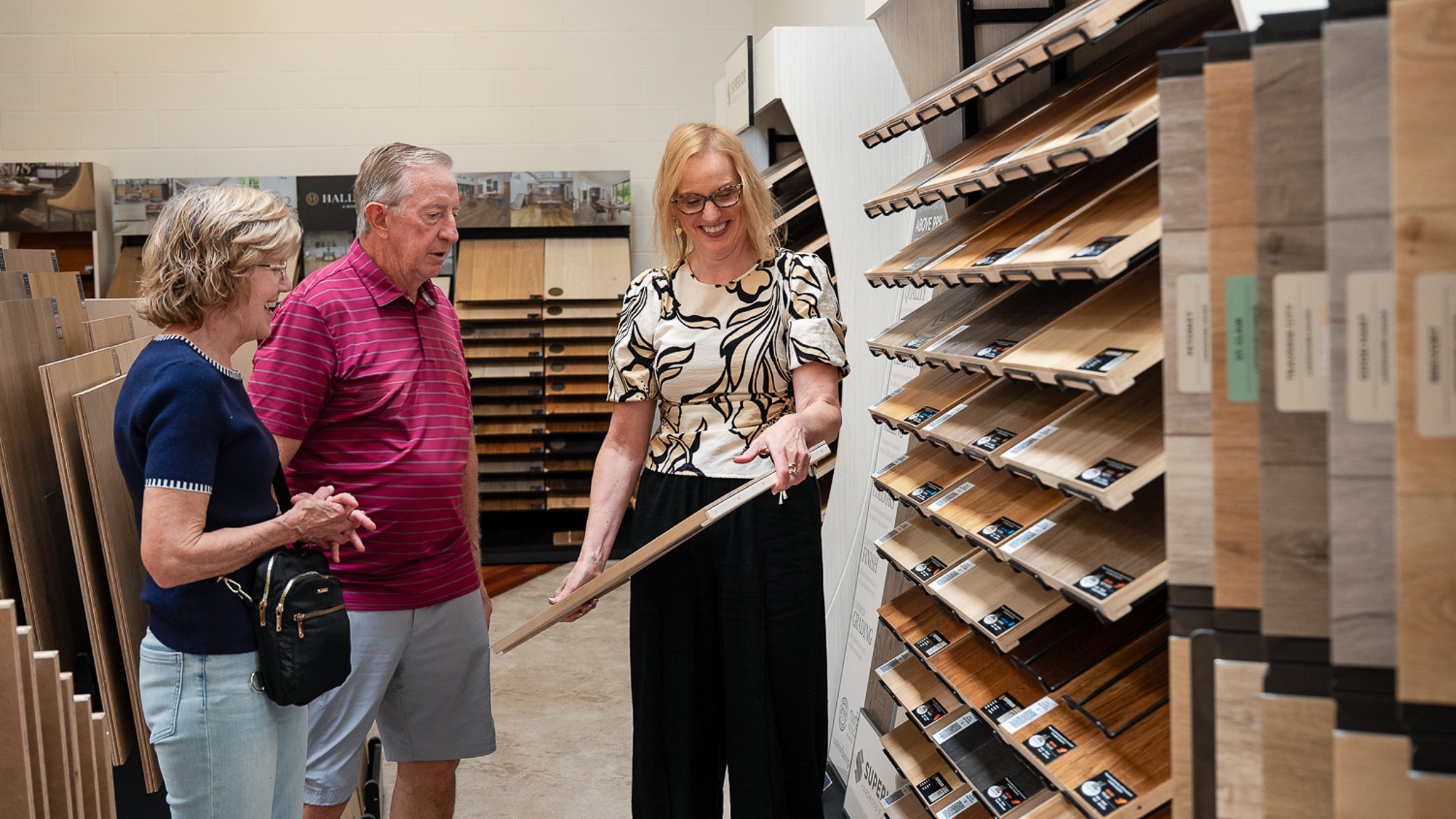
If you are unsure whether your floors need refinishing, repair, or full replacement, starting with a professional evaluation can help clarify the right path forward.
If any of the signs in this guide feel familiar, it does not necessarily mean your floors need to be replaced. In many cases, there are practical solutions that can extend the life of your flooring or restore its appearance.
At Carlson’s Floors, our team works closely with homeowners to assess existing conditions and recommend options based on the condition of the materials and your long-term goals. From there, you can move forward with confidence knowing you are choosing the right solution for your space.