
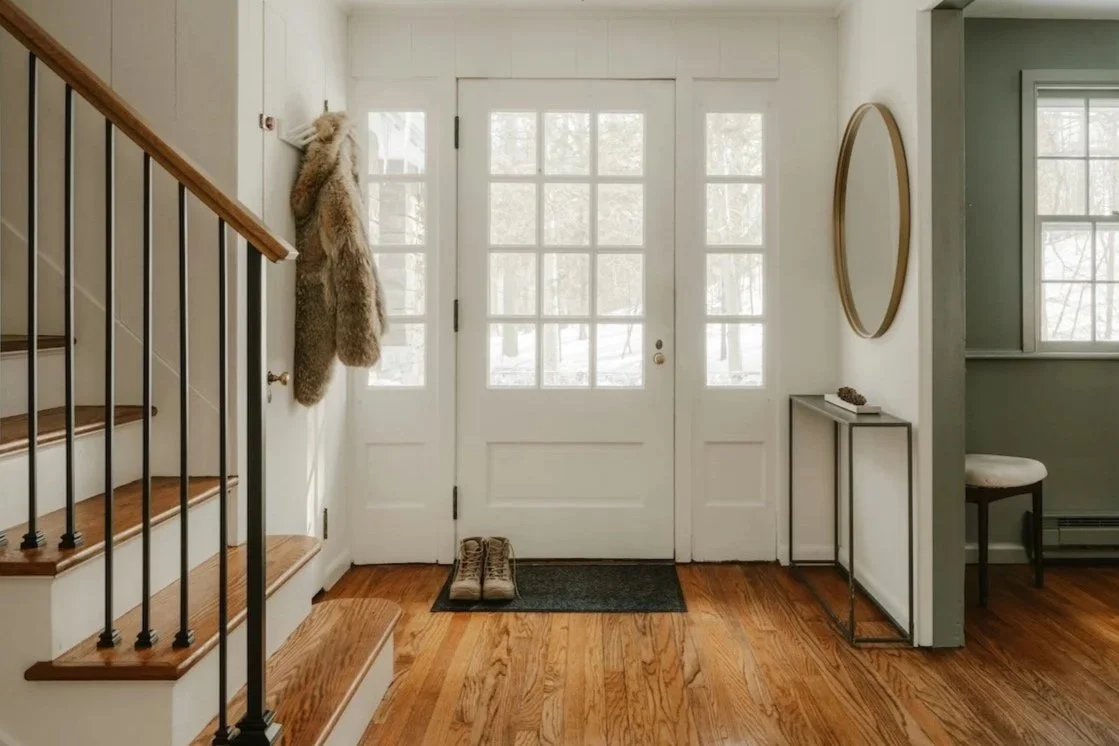
Protecting Your Floors from Snow, Salt, and Dry Air
Winter in the Midwest brings plenty of challenges for our floors. Between snowy boots, road salt, melting slush, and dry indoor air, flooring can take a beating during the colder months. Fortunately, a few simple precautions and regular maintenance habits can help protect your floors and keep them looking their best all season long.
Whether you have hardwood, luxury vinyl, tile, or carpet, here are some tips to help your floors weather the winter.
Keep Winter Weather at the Door
One of the easiest ways to protect your floors is to stop snow, salt, and dirt before they make their way into your home.
Use walk-off mats. Place durable mats both outside and inside exterior doors to collect moisture and debris. Look for mats that are large enough to capture several footsteps, giving shoes a chance to shed dirt and moisture before reaching your floors. Be sure to choose mats with backing that is compatible with your flooring, as some rubber or latex backings can cause discoloration.
Create a place for wet shoes and boots. A boot tray near the door provides a convenient spot for snowy footwear and helps contain melting snow and slush.
Sweep and vacuum frequently. Road salt, sand, and other abrasive particles can scratch hard surface floors and become embedded in carpet fibers. Entryways and other high-traffic areas may need more frequent attention during winter.
Don't Let Salt and Moisture Linger
Snow and ice melt products are a necessary part of Midwest winters, but they can leave behind residue that isn't so friendly to your floors.
As snow melts off shoes and boots, moisture can collect on flooring surfaces, particularly around entryways. Wipe up puddles promptly, especially on hardwood and laminate floors, where excess moisture can cause swelling or damage.
Salt residue can also leave a cloudy film on hard surface flooring. When cleaning, always use products and methods recommended by your flooring manufacturer. Avoid using excessive water or harsh cleaners to remove stubborn residue.
Even waterproof flooring requires some attention. While many luxury vinyl products are designed to resist water damage, moisture can still find its way through seams or around the perimeter of the floor, potentially affecting the subfloor underneath.
Watch Your Indoor Humidity
Winter doesn't just bring moisture into our homes. It can also create the opposite problem: excessively dry indoor air.
As outdoor temperatures drop and heating systems run more frequently, indoor relative humidity often decreases. This is particularly important for hardwood flooring, which naturally responds to changes in its environment.
Wood absorbs and releases moisture as humidity levels change. During the dry winter months, hardwood planks may contract, sometimes creating small gaps between boards. In more extreme conditions, excessive dryness can contribute to cracking or other changes in the wood.
A few ways to help maintain a stable indoor environment:
Monitor indoor humidity with a hygrometer, an inexpensive device that measures relative humidity.
Consider using a humidifier when indoor air becomes excessively dry.
Maintain humidity within the range recommended by your hardwood flooring manufacturer.
Avoid dramatic fluctuations in temperature and humidity whenever possible.
Some seasonal movement in hardwood flooring is normal. Maintaining consistent indoor conditions can help minimize these changes and support the long-term performance of your floors.
Winter Care Tips for Different Flooring Materials
Different flooring materials respond to winter conditions in different ways. Understanding their specific needs can help you focus your maintenance efforts where they matter most.
Hardwood Flooring
Promptly remove moisture and tracked-in salt, and keep abrasive grit off the surface. Pay particular attention to indoor humidity during the heating season. Avoid wet mopping and use only manufacturer-approved cleaning products.
Luxury Vinyl Flooring
Luxury vinyl is a popular choice for busy households, thanks in part to its moisture resistance and easy maintenance. Regularly remove grit that can scratch the surface, wipe up puddles, and clean salt residue with an approved cleaner. Avoid steam mops unless specifically permitted by the manufacturer.
Tile Flooring
Porcelain and ceramic tile are generally well suited to areas exposed to wet footwear, but grout lines and transitions still deserve attention. Regular cleaning helps remove salt residue and prevent dirt from accumulating in grout joints. Keep in mind that natural stone tile may require different cleaning products and additional care.
Carpet
Winter grit and moisture can be particularly challenging for carpet, especially near entryways. Vacuum regularly to remove embedded soil before it works deeper into the fibers. Address wet spots promptly and follow manufacturer recommendations for spot cleaning. If carpet becomes heavily saturated, additional drying or professional attention may be necessary.
A Little Prevention Goes a Long Way
Winter floor care doesn't have to be complicated. Keeping moisture and grit under control, maintaining appropriate indoor humidity, and following your flooring manufacturer's care recommendations can make a meaningful difference in how your floors look and perform over time.
At Carlson's Floors, we believe caring for your floors is just as important as selecting the right products for your home. Our team is here to help long after installation day.
Have questions about caring for flooring purchased through Carlson's? Contact our team or stop by our Geneva showroom. We're happy to help you find the right approach to keeping your floors looking their best, no matter what the Midwest weather brings.